
Finding Your Path
How Phoenix, Denver, and Austin Got Overbuilt – and Why that Presents Opportunities
By Lorne Polger, Senior Managing Director
 Ten years ago, the Sun Belt and Mountain West were the promised land for apartment developers. A pandemic-era migration boom, surging demand, and years of undersupply made Phoenix, Denver, and Austin look like can’t-miss cities. Developers responded with a historic construction surge. Now, those same cities are among the most oversupplied rental markets in the country. Rents have fallen, vacancies have climbed, and property owners have increased concessions to fill empty units.
That said, we’re not “glass half empty” folks at Pathfinder. These same issues are creating opportunities to purchase quality properties at meaningful discounts from previous high-water marks. We’ve been predicting this since late 2024 and while it took longer to come to pass (primarily due to lenders extending loan terms), continued spikes in interest rates have caused the clock to run out.
Here’s a look at where things stand and where they’re likely headed in these markets.
Phoenix: Strong Demand is Overwhelmed by New Supply
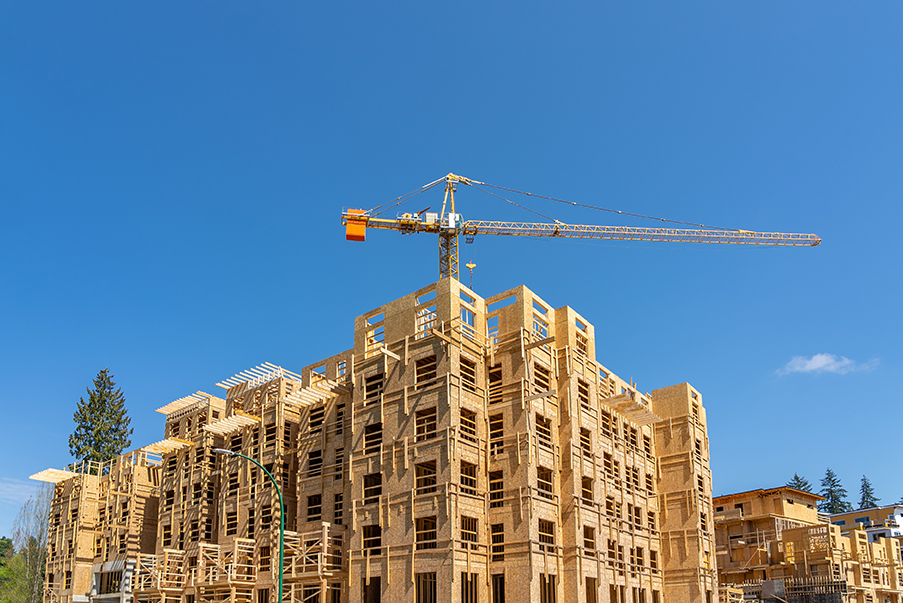 Phoenix’s apartment market tells a story of impressive demand simply being no match for an even more impressive wave of new supply. This year, the metro is expected to absorb nearly 22,000 units – more than double its pre-pandemic average and enough to rank it among the top ten U.S. markets for apartment demand. Yet, that strong absorption has been overshadowed by a construction wave that delivered 22,000 new units in 2025, with another 14,000 units expected to deliver this year (a decline of 36% from the prior year’s deliveries). The result: a 10.5% vacancy rate with the hardest-hit submarkets concentrated in Downtown and the Southwest Valley. There are still over 16,000 units under construction in the area, which should be delivered over the next couple years.
The rent data tells a clear story. Average rents in Phoenix dropped 2.8% year-over-year, and more than half of all communities are now offering significant concessions (in some cases, two months’ free rent) to attract tenants. Brand new luxury properties have held up better than Class-C properties, as some renters have exercised the “trade up” option to lease an apartment in a new building that offers significant concessions. More affordable workforce apartments have performed better than Class-C properties but still recorded a 1.4% rent decline. Pathfinder currently owns four workforce housing properties in metro Phoenix, and our vacancy rates have stabilized at around 5%, while our overall rents fell 2.6% over the past year.
For investors and owners, 2026 has remained challenging. Elevated vacancies and excess inventory have pressured rents. That said, the falloff in deliveries combined with a slowdown in construction starts offer a path to rebalancing. With the new supply pipeline thinning (just under 11,000 units are expected to deliver in 2027 – half the level of 2025 – followed by fewer than 8,000 units in 2028) and absorption is expected to remain steady, we anticipate conditions improving meaningfully into 2027, with robust growth after that, assuming that demand stays constant. As a result, we continue to target Phoenix as a buy opportunity, especially with an increasing number of distressed deals (those purchased or developed at peak prices in 2021 and 2022) coming to market during the next year.
Denver: Short-Term Historic Vacancy
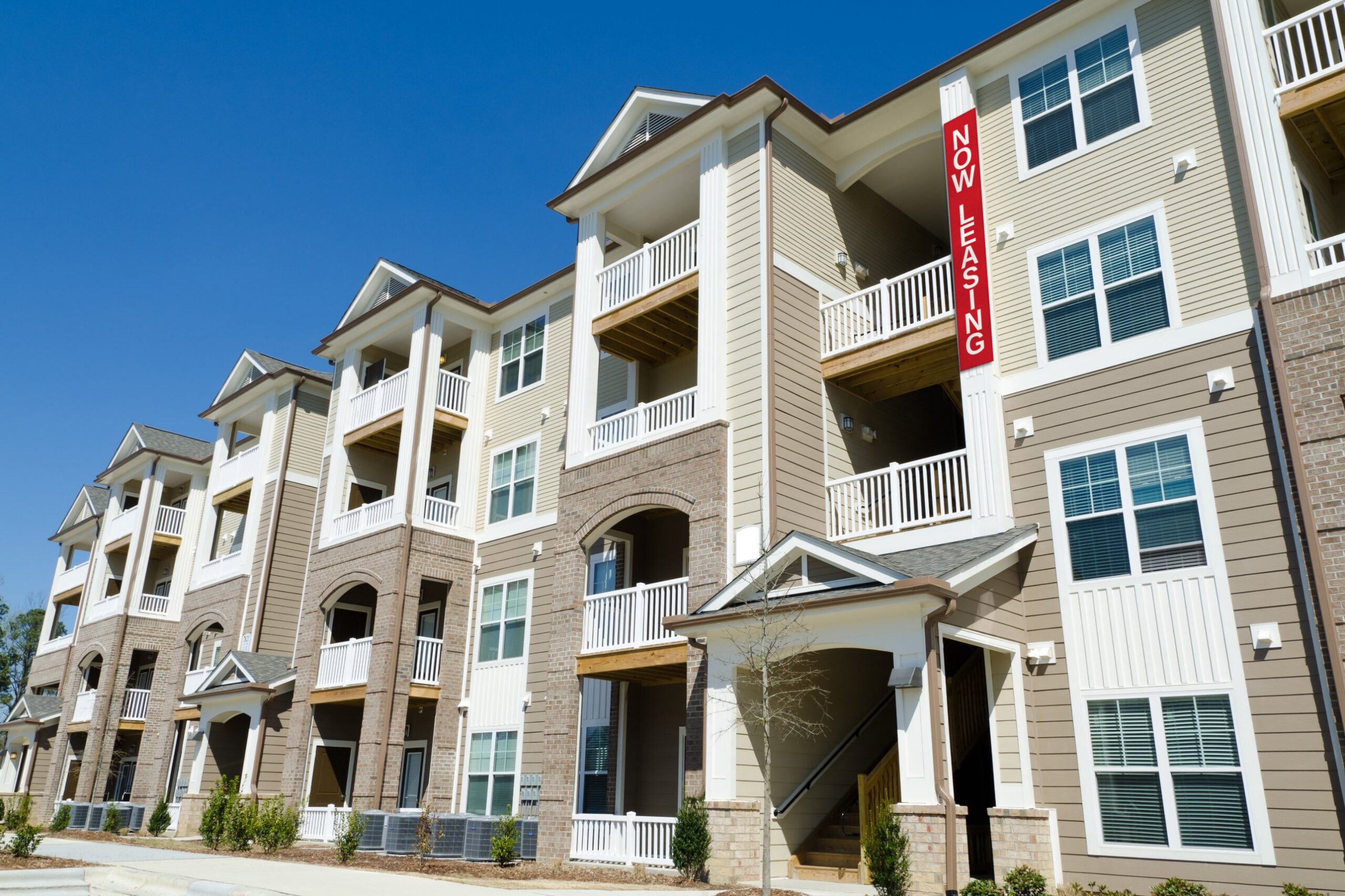 Denver’s oversupply story fits the same profile as Phoenix and Austin. Significant deliveries over a short period of time, followed by a rapid and meaningful reduction. The metro area delivered approximately around 18,000 new apartment units in 2024 alone – a flood of inventory that drove vacancies to over 12% by the end of 2025, the highest level in 25 years. Since then, the new supply has dropped significantly. About 12,500 units were delivered in 2025 and just over 8,000 units are expected to deliver this year.
Denver’s experience has been particularly notable because underlying demand has remained healthy (absorption should surpass 15,000 units this year, the highest level in many years; Cushman & Wakefield ranked Denver’s second-quarter 2025 absorption among the top six quarters ever recorded nationally). The problem, like with Phoenix, has simply been that new supply kept overwhelming robust demand.
The oversupply has been concentrated in Class-A urban apartments. There is also a longer-term concern layered onto the immediate supply overhang: Denver’s population growth has slowed, and a challenging regulatory environment (including new laws on no-fault evictions, screening limitations, and auxiliary income) have raised questions about the pace of Denver’s recovery. That said, several notable industry experts that we follow have suggested that today’s overbuilding will likely be followed by underbuilding, setting up a supply crunch in a couple of years.
The silver lining: with deliveries dropping sharply, the supply wave is receding. Analysts are forecasting modest stabilization this year, with vacancies easing and rents returning to modest growth beginning next year.
Of note, we have begun to see a significant uptick in distressed properties in the Denver market this year, including a mix of foreclosures, short sales and receivership sales. We are tracking these opportunities for our current funds, especially those that fit our thesis of long-term demand for suburban, garden-style apartments.
Austin: The Nation’s Deepest Rent Decline
Of the three markets, Austin’s experience has been the most dramatic. The Texas capital entered the oversupply cycle earlier and harder than most U.S. cities, and by 2025 it carried the distinction of being the softest large rental market in the country. Metro-wide median rent has fallen meaningfully from the 2022 peak, a stunning reversal for a city once synonymous with pandemic-era rent spikes. Austin has placed at the bottom of national rent-growth rankings for the past few years.
 The cause is straightforward: Austin permitted more new apartments than virtually any other large metro in the country. Construction starts surged in 2021 and 2022, unleashing a wave of completions that hit the market in 2023 and 2024. That’s the bad news. The good news? The pipeline has been shrinking dramatically. Just over 18,000 units were delivered in 2025 (a sharp drop from more than 30,000 units delivered in 2024) and only 12,500 are expected to deliver this year, with the forecasts below 10,000 units/year for the next few years. While supply outpaced demand, the trend has now reversed. Beginning in 2025, absorption began to modestly outpace deliveries, signaling that market rebalancing is genuinely underway.
The competitive environment has been intense. In the Class-A luxury segment, price-matching and widespread concessions became the norm, and the narrowing rent gap between Class-A and Class-B properties triggered a migration of renters upgrading to nicer units at equivalent prices. Owners shifted strategy from maximizing rent to maintaining occupancy, accepting flat or declining effective rents in exchange for keeping buildings full (or near full in most cases, as Austin’s vacancy rate hovered near an astonishing 15%; it is currently near 12%).
The good news for Austin’s long-term outlook is that population growth and tech-sector strength continue to generate real underlying demand. Forecasts point to a modest rent recovery – perhaps 2% annually – beginning in 2027 as the supply excess works through the system. Both Austin and Phoenix are expected to add around 50,000 people/year for the next few years, some of the largest growth in the country.
While Pathfinder approved Austin as a new multifamily target market in 2024 (we have previous investment experience in the city), it has been challenging for us to successfully underwrite new acquisitions due to the ongoing negative rent growth. And surprisingly, we have not seen as many distressed transactions there, notwithstanding that it has been the hardest hit market in the country, as noted above. We believe that as the supply wave continues to fall, more opportunities will be there for us given the very positive long-term economic and demographic growth trends.
The Bigger Picture: A Bifurcated National Market
The performance of Phoenix, Denver, and Austin reflect a broader national dynamic: markets that experienced aggressive construction during the boom time have paid the price in the form of falling rents and rising vacancies, while some supply-constrained metros have posted some of the strongest rent growth in years. We believe these reversals are temporary.
Nationally, the multifamily construction boom peaked in 2024, when over 600,000 new units hit the market. Since then, deliveries have begun slowing, and the pipeline has thinned considerably in the most oversupplied markets. For renters in Phoenix, Denver, and Austin, the market has been on their side for the last few years: vacancy-driven concessions and flat-to-declining rents have offered some bargain prices. But that’s ending. With construction slowing sharply, the path back to a more balanced market has started and we believe that it will soon accelerate.
Our takeaway is that the Sun Belt’s growth story remains intact. What has changed is the timeline. Markets that moved fastest to build are absorbing the consequences first – and setting up for stronger fundamentals once the glut fully clears over the next year or two. We remain bullish about these markets over the long term (which is always our investment horizon) and will continue to hunt for distressed and opportunistic investments there.
Lorne Polger is Senior Managing Director and Co-Founder of Pathfinder Partners. Prior to co-founding Pathfinder in 2006, Lorne was a partner with a leading San Diego law firm, where he headed the Real Estate, Land Use and Environmental Law group.
Share this Article

IN THIS ISSUE
PATHFINDER PARTNERS GROWTH & INCOME FUND, L.P.
$178,000,000 Recapitalization of Six Apartment Properties
CHARTING THE COURSE
The Pump, the Mortgage Payment, and the Power Bill: How $6.25 Diesel, 7.4% Mortgages and Data Center Backlash Will Shape the Midterms
FINDING YOUR PATH
How Phoenix, Denver, and Austin Got Overbuilt – and Why that Presents Opportunities
GUEST FEATURE
Record Apartment Supply and the Positive Impact for Renters
ZEITGEIST
News Highlights
TRAILBLAZING
The Modern Fitness Center
NOTABLES AND QUOTABLES
Leadership